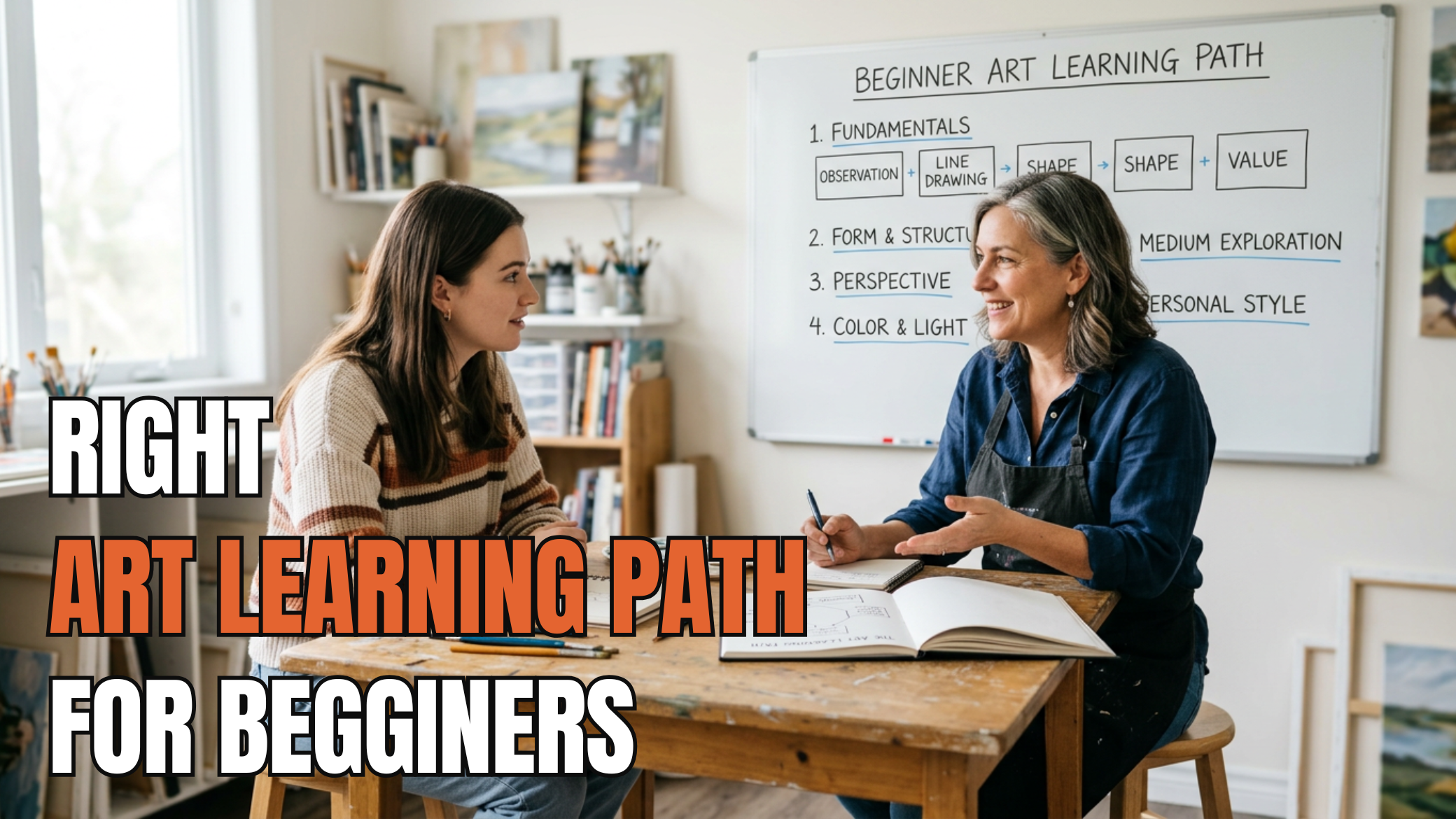
One of the biggest questions beginners ask is:
“Where do I start learning art?”
“What should I learn first, and what comes next?”
Many beginners feel confused because they:
• Learn randomly from videos
• Jump between styles
• Start digital art too early
• Skip fundamentals
The truth is—art becomes easy when you follow the right learning path.
This blog explains a clear, practical art learning roadmap that beginners of any age can follow—from basics to advanced—without confusion.
________________________________________
Why Beginners Need a Clear Art Learning Roadmap
Art is a skill, just like music or sports. Without structure:
• Progress feels slow
• Mistakes repeat
• Confidence drops
A step-by-step roadmap helps beginners:
• Understand what to learn first
• Avoid wasting time
• Build skills in the right order
• Stay motivated
That’s why knowing how to learn art step by step is essential.
________________________________________
Stage 1: Build Strong Drawing Fundamentals (The Foundation)
This is the most important stage and should never be skipped.
What to Learn:
• Line control and confidence
• Basic shapes (cube, sphere, cylinder)
• Simple object drawing
• Hand-eye coordination
Why It Matters:
Everything in art is built using shapes. Strong fundamentals make future learning faster and easier.
This stage builds the base of the art learning roadmap.
________________________________________
Stage 2: Observation & Shading Skills
Once basic shapes are clear, beginners should focus on seeing correctly.
What to Learn:
• Light and shadow
• Shading techniques
• Volume and depth
• Drawing from real objects
Why It Matters:
Shading brings drawings to life and teaches how light works in the real world.
________________________________________
Stage 3: Perspective & Space Understanding
At this stage, beginners start understanding space and depth.
What to Learn:
• One-point perspective
• Two-point perspective
• Placement of objects in space
Why It Matters:
Perspective is essential for landscapes, interiors, characters, animation, and design.
________________________________________
Stage 4: Composition & Visual Thinking Now beginners learn how to arT
Now beginners learn how to art
hange elements visually.
What to Learn:
• Balance and focus
• Visual hierarchy
• Storytelling through art
• Cropping and framing
Why It Matters:
Good composition makes artwork clear and engaging.
________________________________________
Stage 5: Color Theory & Painting Basics
Only after drawing basics should beginners move to color.
What to Learn:
• Color wheel
• Warm vs cool colors
• Color harmony
• Basic painting techniques (watercolor/acrylic)
Why It Matters:
Color adds emotion and mood. Without theory, paintings look flat.
________________________________________
Stage 6: Choose Your Art Direction
Now beginners can explore what interests them most.
Possible Directions:
• Sketching & realistic drawing
• Painting (watercolor, acrylic)
• Digital art & illustration
• Character art
• Traditional or folk art
At this stage, learning becomes purpose-driven.
________________________________________
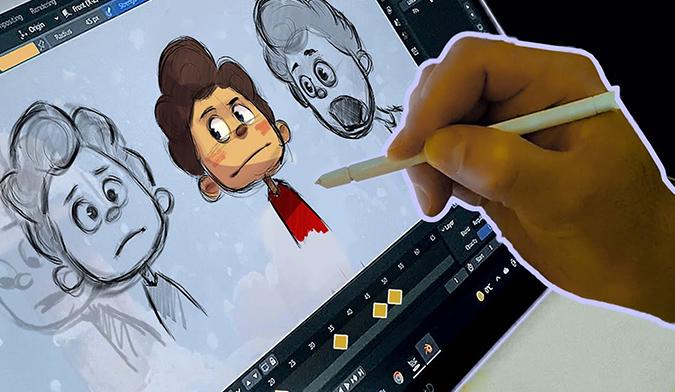
Stage 7: Digital Art (After Fundamentals)
Digital tools should be introduced after basics, not before.
What to Learn:
• Tablet handling
• Digital brushes and layers
• Digital coloring and shading
Why It Matters:
Digital art enhances skills—it doesn’t replace fundamentals.
________________________________________
Stage 8: Advanced Skills & Portfolio Building
For serious learners and career-focused students.
What to Learn:
• Advanced shading and lighting
• Anatomy basics
• Environment and background art
• Portfolio-quality artworks
This stage prepares learners for professional opportunities.
________________________________________
How Long Does This Art Learning Path Take?
Every learner is different, but a realistic timeline is:
• 1–3 months: Drawing fundamentals
• 3–6 months: Shading, perspective, color basics
• 6–12 months: Style development & confidence
• 1+ year: Advanced skills and portfolio
Consistency matters more than speed.
________________________________________
Common Mistakes Beginners Make in Their Learning Path
❌ Skipping fundamentals
❌ Learning everything at once
❌ Comparing progress with others
❌ Rushing into digital tools
❌ Practicing without feedback
Avoiding these mistakes saves years of frustration.
________________________________________
How Ankona School of Art Follows the Right Learning Path
At Ankona School of Art, beginners are guided through a structured, age-wise art learning roadmap.
What Makes Ankona Different:
• 25+ years of teaching experience
• Step-by-step curriculum
• Focus on fundamentals first
• Personal feedback and correction
• Courses for kids, teens, and adults
Students don’t feel lost—they know exactly what to learn next.
________________________________________
Final Advice for Beginners
Art is not about talent.
It is about learning in the right order.
Follow a clear roadmap, practice regularly, and get proper guidance—progress will follow naturally.
________________________________________
Start Your Art Journey the Right Way
If you’re serious about learning art without confusion, start with a clear plan.
- Join a Free Introductory Art Class
- Get Personal Learning Guidance
- Explore Beginner-to-Advanced Art Courses at Ankona School of Art
________________________________________
Ankona School of Art
Guiding beginners from basics to mastery