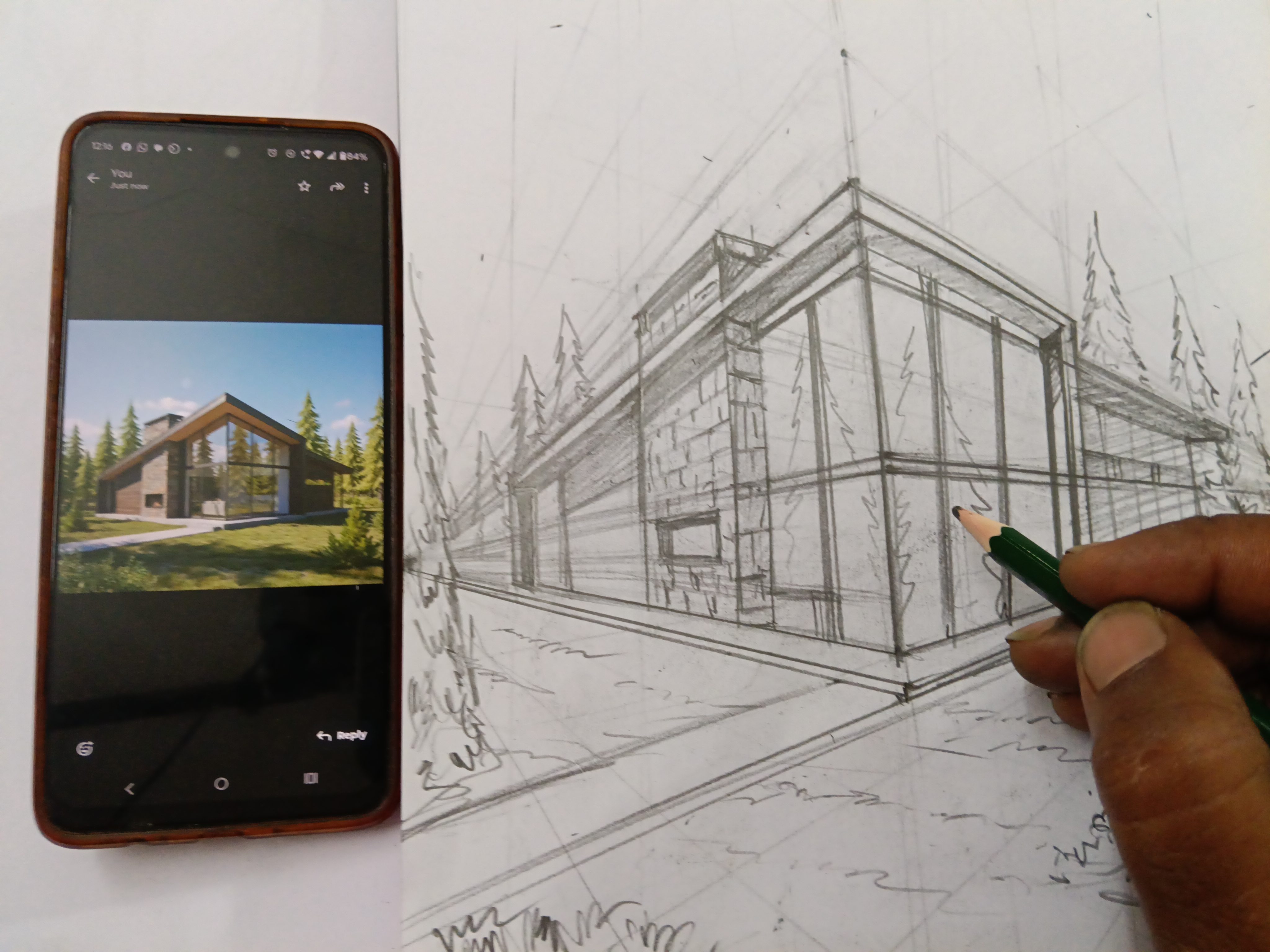
Shading is one of the most important techniques in drawing. It helps artists transform flat sketches into realistic images with depth, volume, and texture. For beginners, shading may seem difficult at first, but with the right techniques and regular practice, anyone can learn to shade effectively.
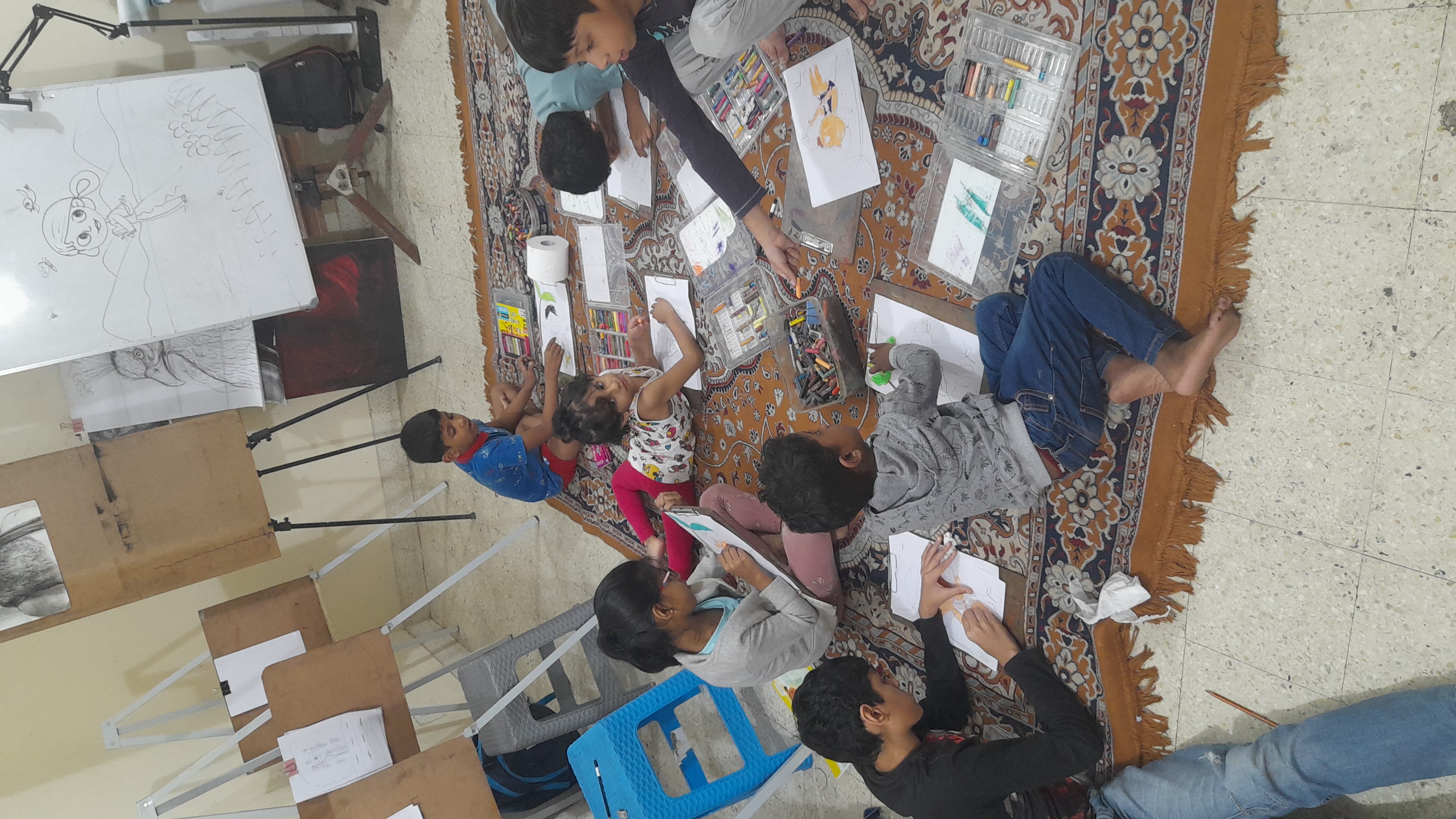
At Ankona School of Art, students learn shading step by step, starting with simple exercises that build confidence and understanding of light and shadow.
What Is Shading in Drawing?
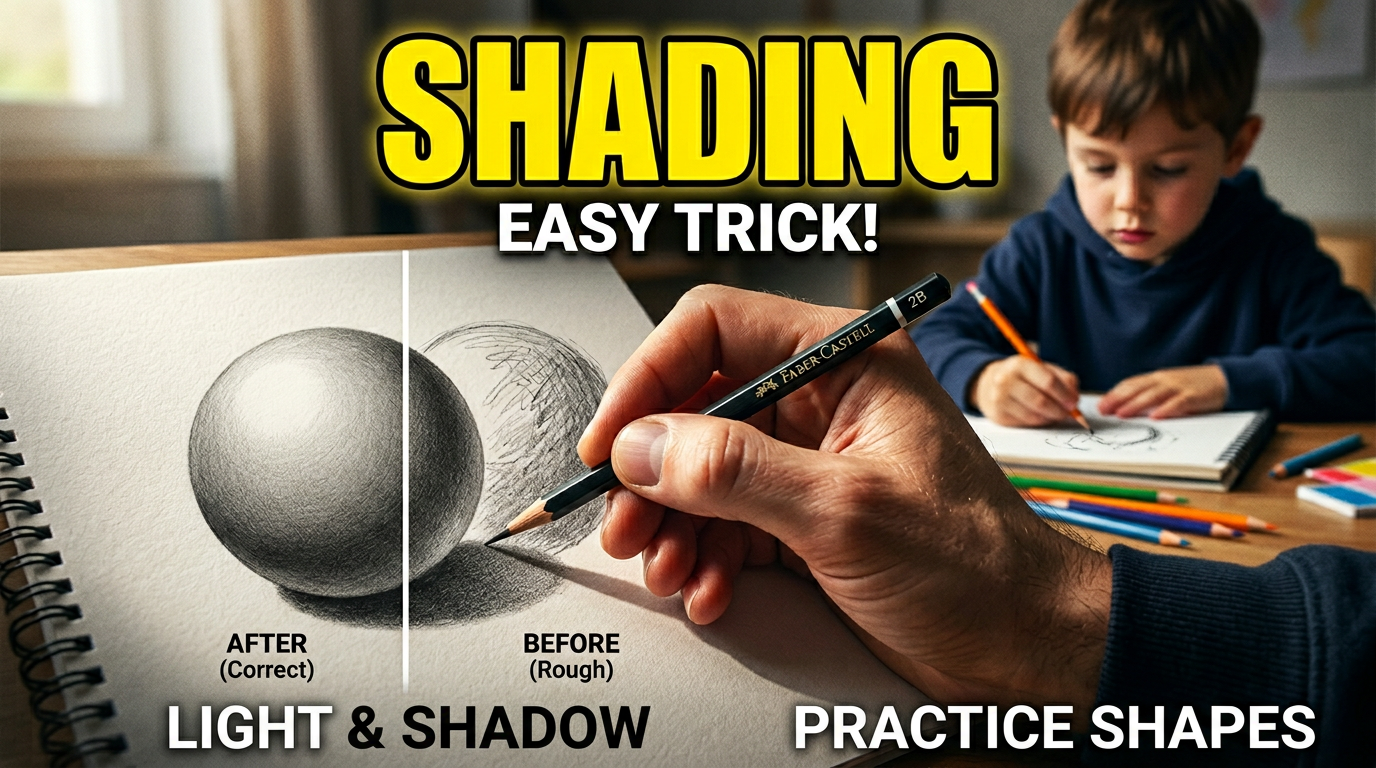
Shading is the process of adding darker and lighter tones to a drawing to show how light falls on an object. When artists apply shading correctly, objects appear three-dimensional instead of flat.
For example, a simple circle can become a realistic sphere when shading shows the direction of light and shadow.
Understanding this concept is the first step toward mastering shading techniques.
Understanding Light and Shadow
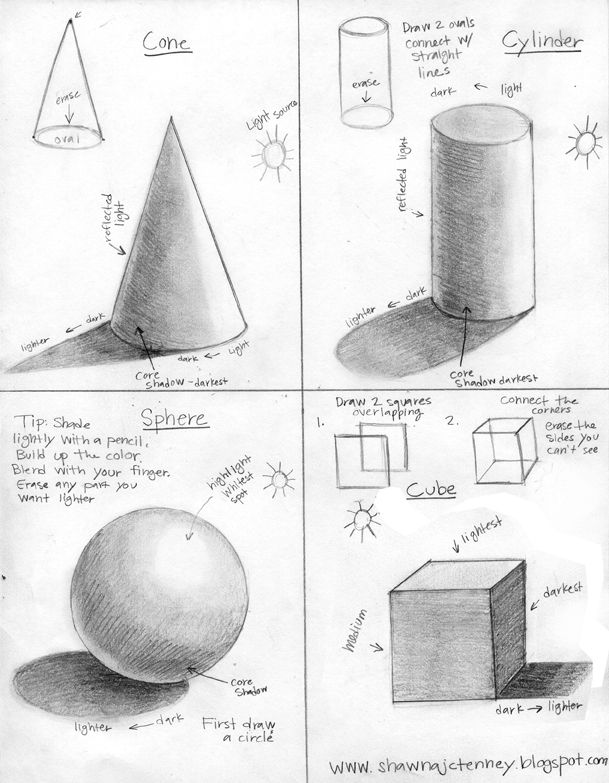
Before practicing shading, beginners must understand how light affects objects.
There are three important parts:
• Highlight – the brightest area where light directly hits the object
• Midtone – the middle value between light and dark
• Shadow – the darker area where light does not reach
Observing these areas helps artists shade drawings more realistically.
Basic Shading Techniques for Beginners
Here are some simple shading techniques students can practice:
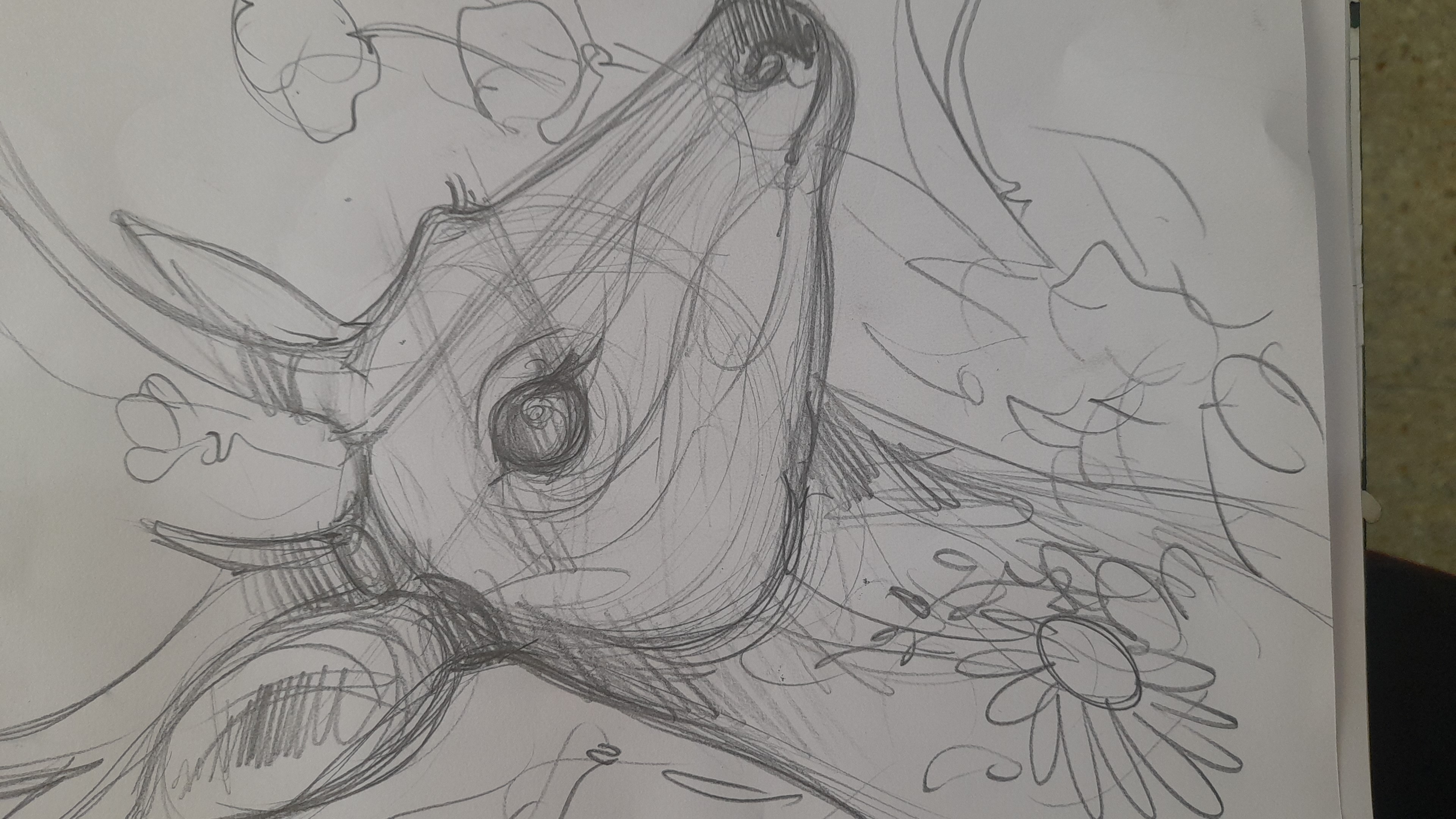
1. Hatching
Drawing parallel lines close together to create darker areas.
2. Cross-Hatching
Layering lines in different directions to increase shading depth.
3. Blending
Using fingers, tissue, or blending tools to create smooth gradients.
4. Stippling
Using small dots to build darker values gradually.
Practicing these techniques helps beginners develop control over light and tone.
Simple Shading Practice Exercises
Students can improve shading by practicing with basic objects such as:
• spheres
• cubes
• cylinders
• simple fruits like apples or oranges
These shapes make it easier to understand how light behaves on surfaces.
Even 10–15 minutes of daily shading practice can significantly improve drawing quality.
Why Structured Learning Helps
Many beginners try shading randomly without understanding light direction or tone balance. This often leads to muddy or uneven drawings.
At Ankona School of Art, students learn shading techniques through structured lessons that build strong artistic fundamentals step by step.
Final Thought
Shading is what brings life to drawings. By understanding light, practicing simple exercises, and developing patience, beginners can gradually create more realistic and expressive artwork.
Remember, every great artist started by learning the basics of shading.