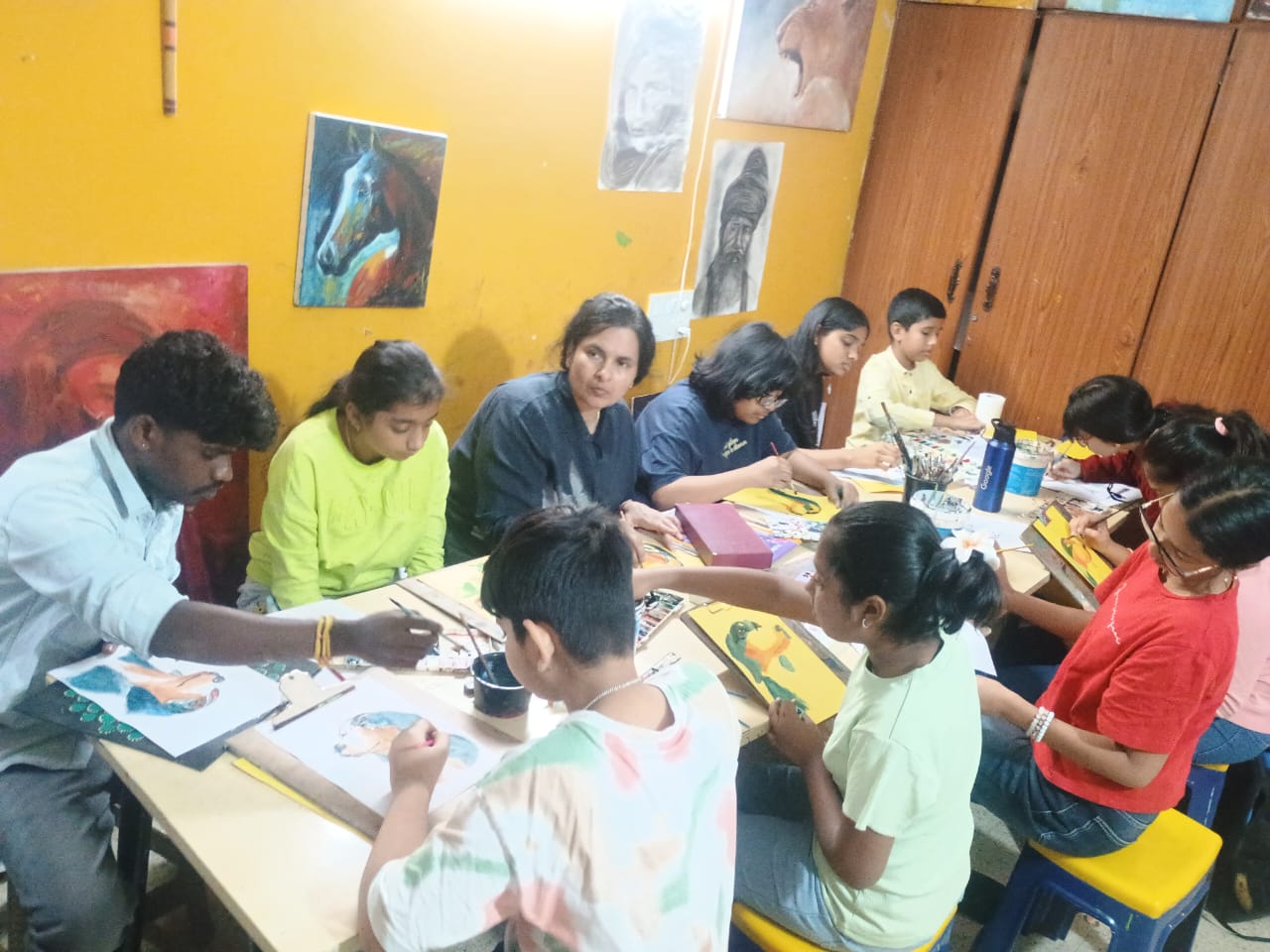
Many children love drawing and painting from an early age. Parents often see sketchbooks filled with doodles, colorful paintings, and imaginative ideas. At first, art begins as a joyful hobby — a fun activity after school.But an important question eventually arises:
When should art move from hobby to serious learning?
Understanding this transition helps children develop creativity properly while building confidence and long-term skills.
At Ankona School of Art, we guide students through this natural progression every day.
Stage 1: Art as Exploration (Ages 4–7)
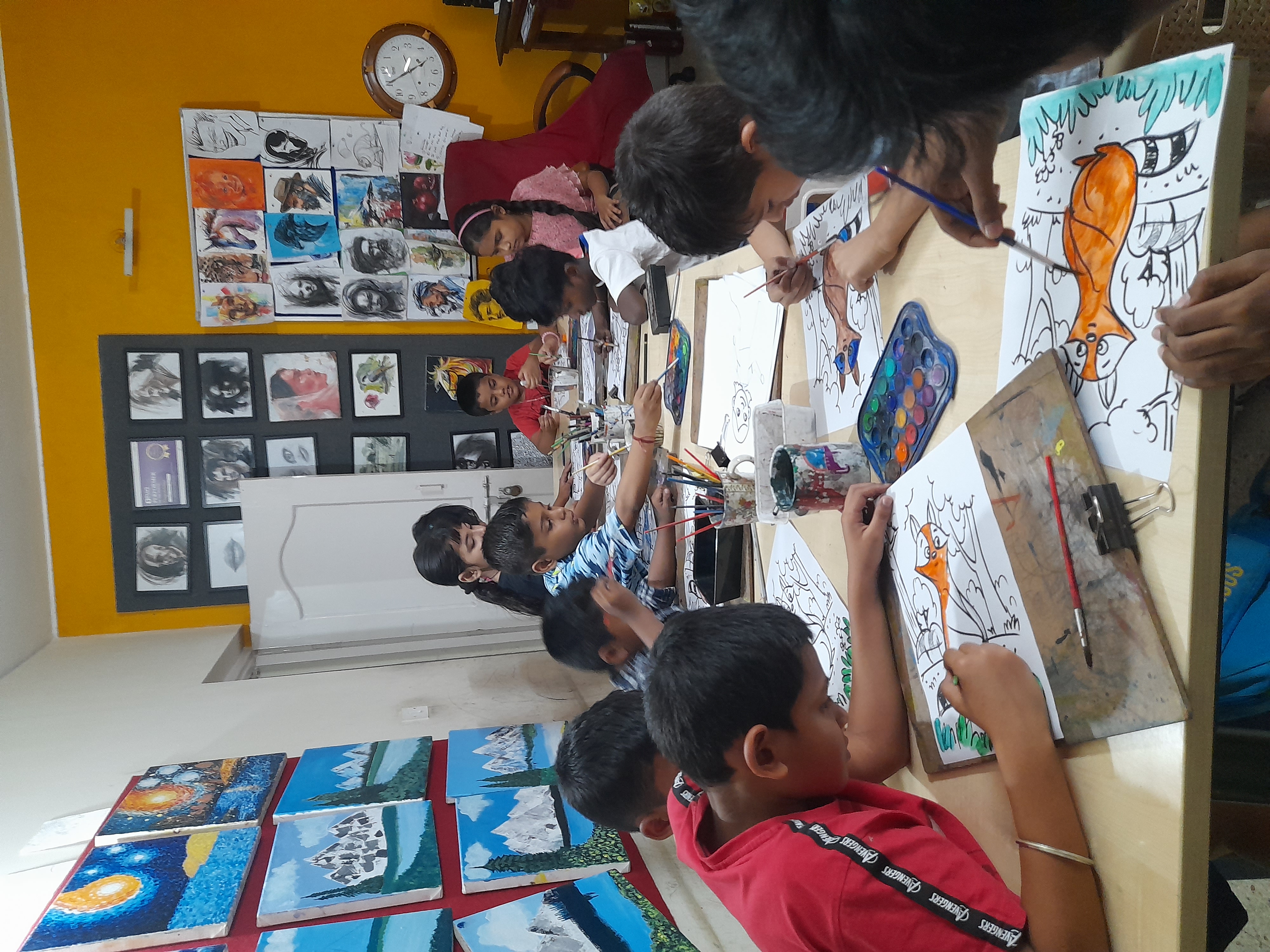
In the early years, art should remain playful and pressure-free.
Children explore:
- colors and shapes
- imagination and storytelling
- basic hand coordination
At this stage, the goal is enjoyment, not perfection. Creativity grows when children feel free to experiment without fear of mistakes.
Stage 2: Interest Becomes Consistent (Ages 7–10)
Parents begin noticing clear signs:
- the child chooses drawing over other activities
- spends longer time creating artwork
- shows curiosity about improving skills
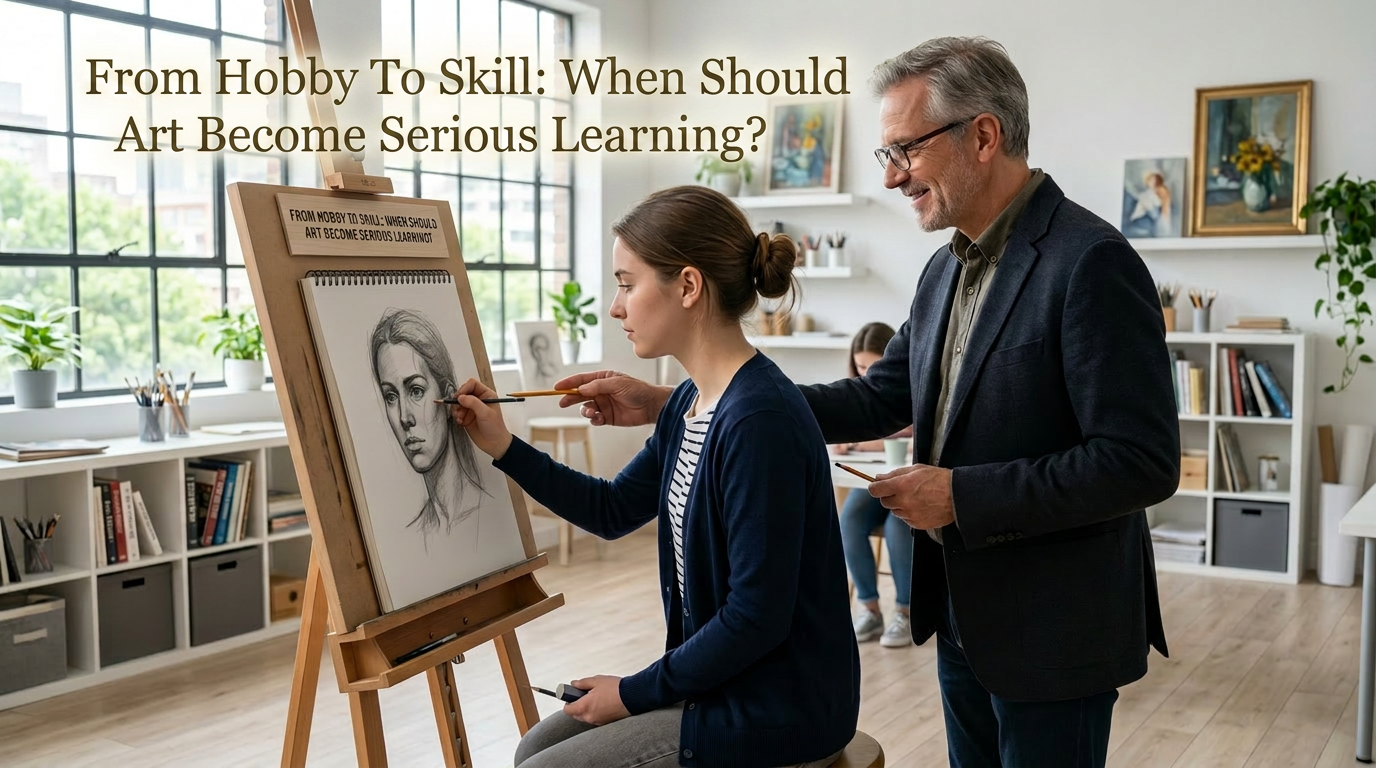
- This is the ideal moment to introduce structured art learning.
- Guided instruction helps children understand fundamentals such as observation, proportion, and composition while keeping creativity alive.
Stage 3: Skill Development Phase (Ages 10+)
When interest remains strong, art can evolve into serious skill development.
Students start learning:
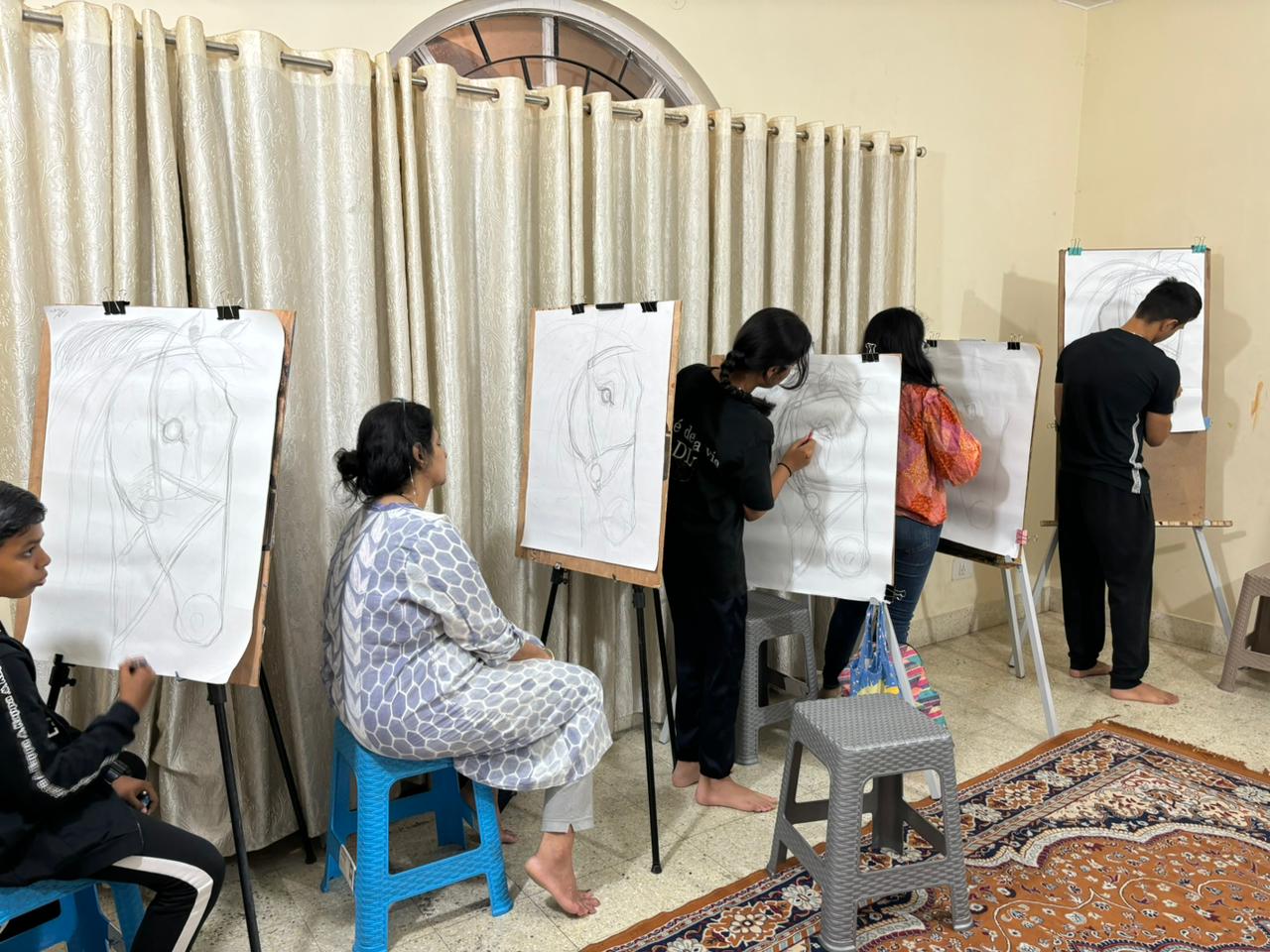
- drawing fundamentals
- shading and perspective
- color theory
- creative problem-solving
Structured training prevents bad habits formed through random copying or unstructured tutorials.
This stage builds real artistic confidence.
Why Serious Learning Matters
Many talented children stop improving because they remain at hobby level without guidance.
Professional art education helps children:
- develop discipline
- strengthen concentration
- think creatively
- prepare for future creative careers
Art learning becomes similar to sports or music training — consistent practice leads to mastery.
Art Skills Beyond Art
Serious art education does not limit children to becoming artists only.
It develops transferable skills valuable in:
- animation and game design
- architecture and design
- creative technology fields
- communication and leadership roles
Creativity becomes a lifelong advantage.
How Ankona School of Art Supports This Journey
At Ankona School of Art, students progress step by step — from creative hobby to confident skill development.
Our teaching approach focuses on:
- nurturing creativity
- building strong fundamental
- encouraging individual expression
- preparing students for future opportunities
- Every child grows at their own pace with supportive guidance.
Final Thought for Parents
Art should begin as joy but grow into skill when genuine interest appears.
Recognizing the right moment for structured learning helps children transform passion into confidence, discipline, and lifelong creativity.
Because sometimes, a simple hobby becomes a powerful future skill.
Ankona School of Art
Step-by-Step Drawing & Painting Programs
Online & Offline Classes Available
Book a Demo Class Today