Many parents today encourage their children to learn drawing at home. With YouTube tutorials and online resources easily available, it seems simple to teach art without professional guidance.
However, drawing is not only about copying pictures. The early learning stage plays a very important role in developing creativity, confidence, and artistic thinking.
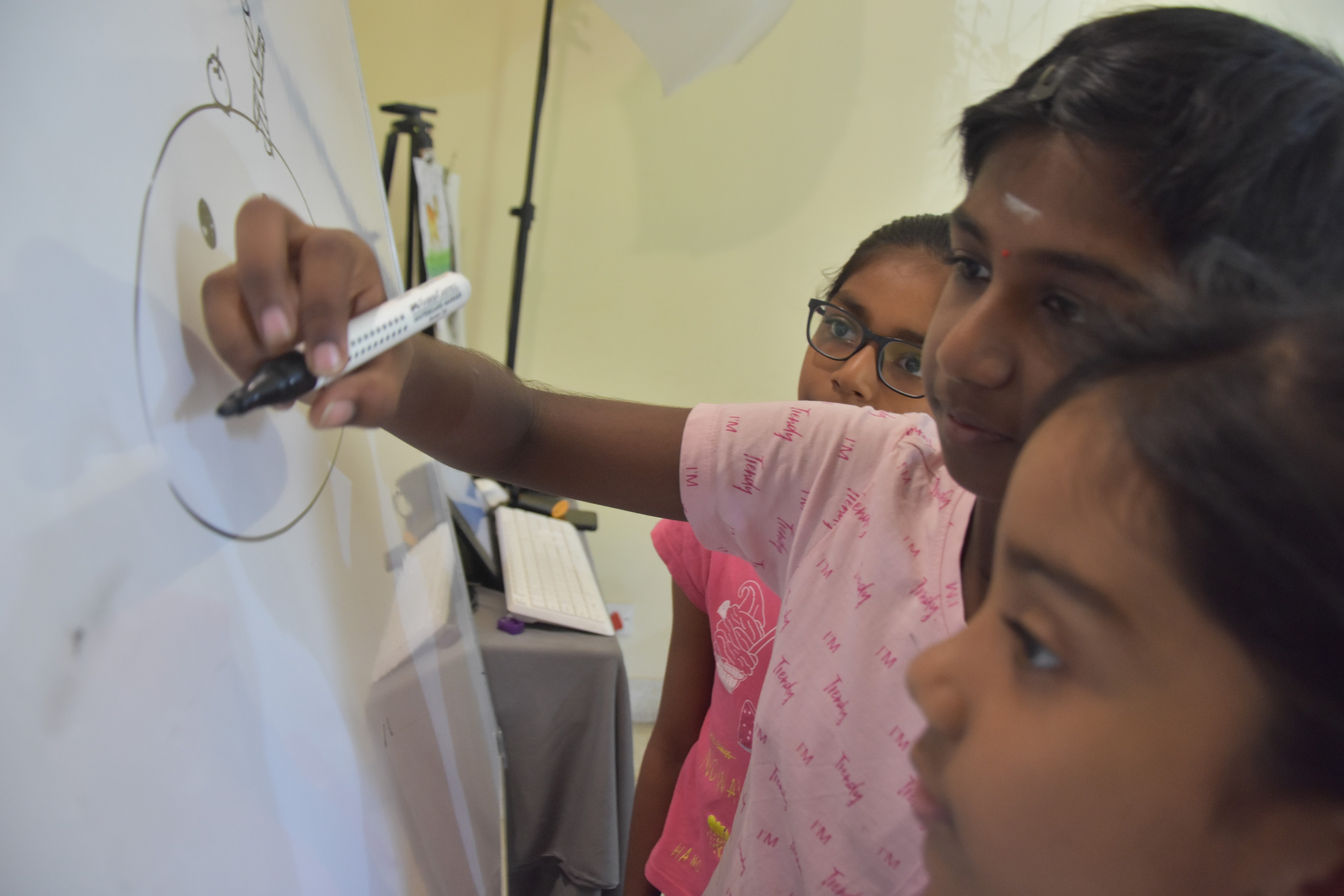
At Ankona School of Art, we often meet students who love art but develop wrong habits because of common mistakes made during home learning
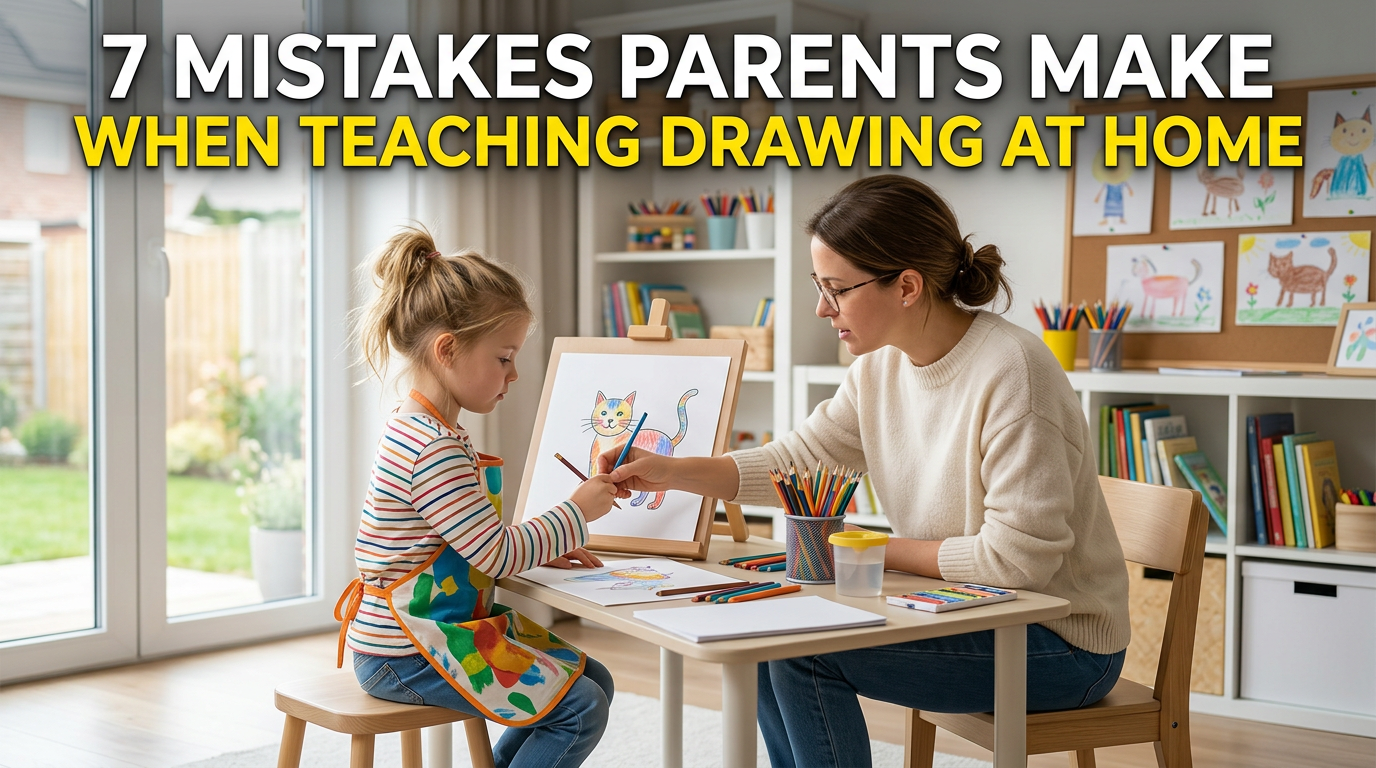
Here are the 7 most common mistakes parents make while teaching drawing at home — and how to avoid them.
1. Expecting Perfect Drawings Too Early
Children are learners, not professional artists.
Many parents unintentionally say:
“Make it neat.”
“Draw exactly like this.”
“Why doesn’t it look real?”
Perfection pressure reduces creativity and confidence. Early art education should focus on exploration, not perfection.
Encourage effort, not accuracy.
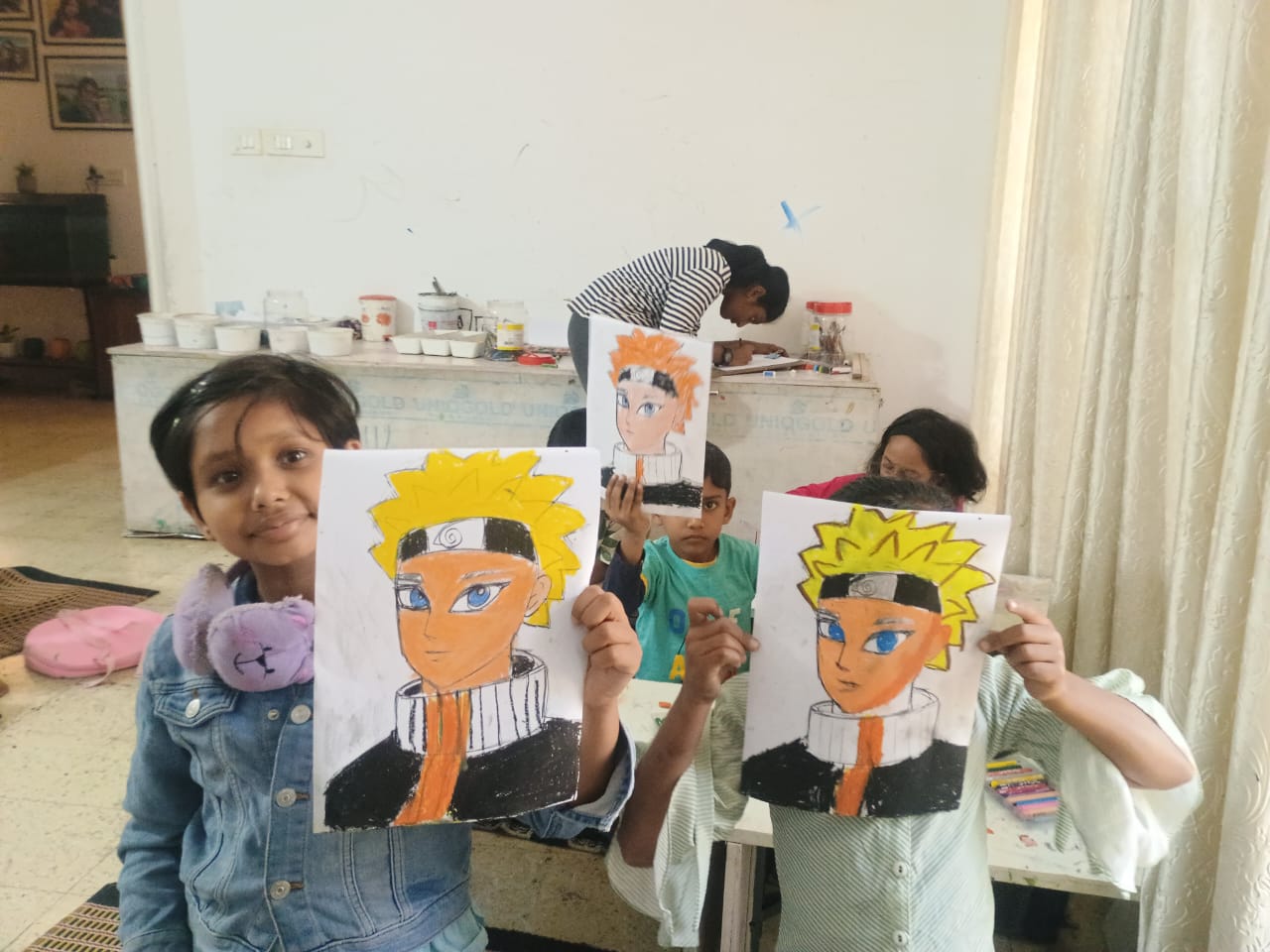
2. Forcing Children to Copy Images
Copying cartoon characters or photos may look impressive, but it does not build real drawing skills.
When children only copy:
- observation skills remain weak
- imagination decreases
- creative thinking stops growing
- True drawing development begins when children learn how to see, not just copy.
3. Comparing Children with Others
Comparison is one of the biggest creativity killers.
Every child develops artistic ability at a different pace. Comparing siblings or classmates can create fear and hesitation.
Instead:
- appreciate individual progress
- celebrate small improvements
- build confidence gradually
- Confidence leads to long-term learning success.
4. Giving Too Much Instruction
- Parents often correct every line or shape while the child is drawing.
- This removes ownership from the child.
- Art learning works best when children:
- experiment freely
- make mistakes
- discover solutions independently
Guidance is helpful — control is not.
5. Using Random Online Tutorials Without Structure
Online videos are useful, but random tutorials create fragmented learning.
Children may learn:
- one cartoon today
- one landscape tomorrow
- another style next week
- Without structured progression, foundational skills like proportion, observation, and composition remain undeveloped.
- Structured art education builds skills step by step.
6. Ignoring Basic Art Fundamentals
Many home learning approaches skip essential basics such as:
- shapes and forms
- hand control
- light and shadow
- observation practice
Strong fundamentals are the foundation of artistic growth. Without them, children struggle later despite years of drawing practice.
7. Treating Art as Only a Hobby
One of the biggest misconceptions is thinking art is only for time pass.
Creative education actually develops:
- concentration
- emotional expression
- problem-solving ability
- confidence
Art supports academic learning and future career skills in design, animation, architecture, and creative industries.
Why Professional Guidance Makes a Difference
Home encouragement is valuable, but structured training provides direction, discipline, and proper artistic development.
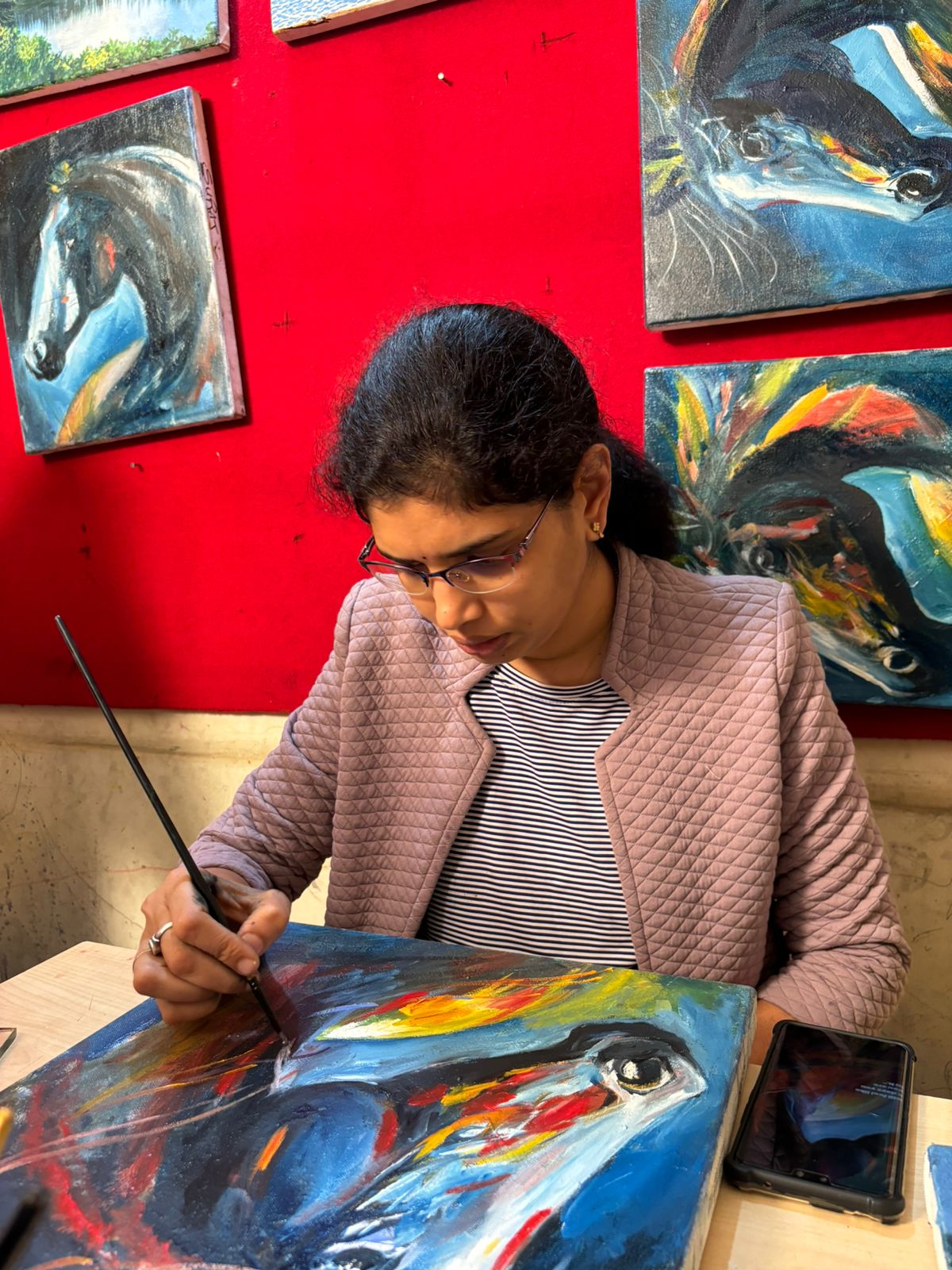
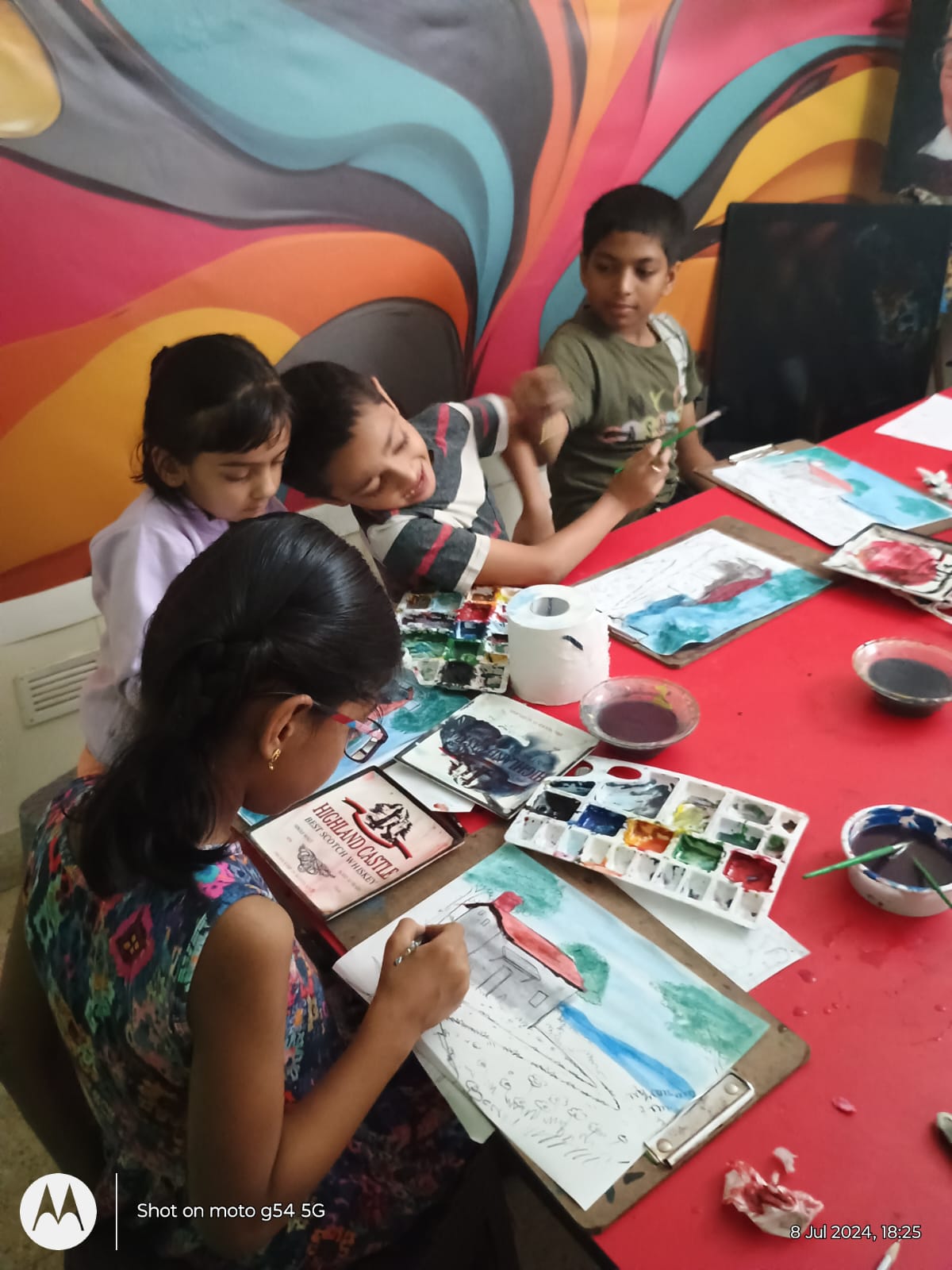
At Ankona School of Art, students follow guided programs designed to nurture creativity while building strong drawing foundations step by step.
Final Thought for Parents
Your child does not need to become a perfect artist immediately.
What they truly need is:
- encouragement
- the right learning method
- a positive creative environment
When children learn art correctly from the beginning, creativity becomes a lifelong strength.
✨ Ankona School of Art
Step-by-Step Drawing & Painting Programs
Online & Offline Classes Available
Book a Demo Class Today