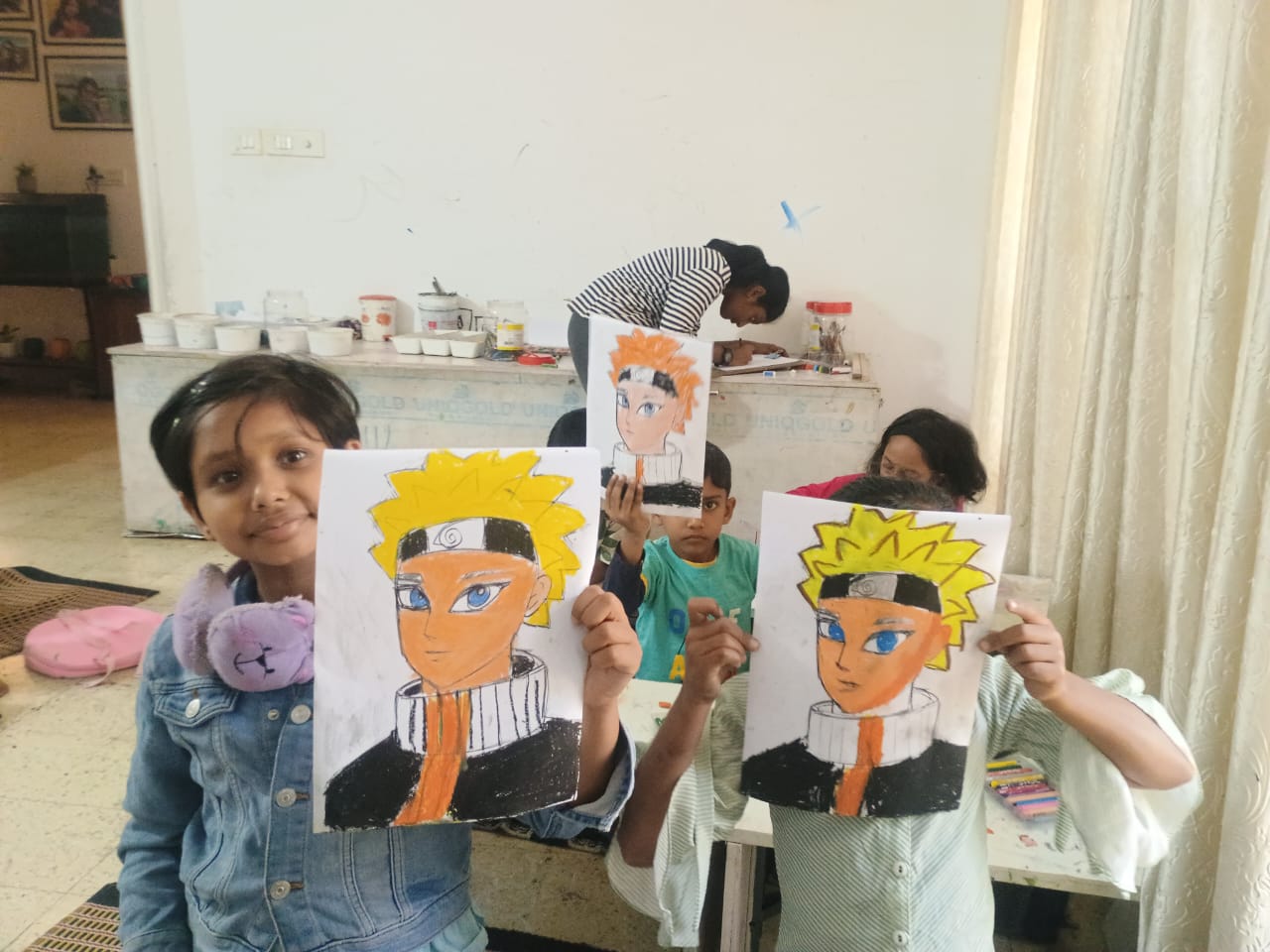
Many beginners try to draw complex subjects like portraits, animals, or landscapes immediately. While this enthusiasm is great, it often leads to frustration because the foundation of drawing is missing.
The secret professional artists know is simple: every complex drawing is built from basic shapes.
At Ankona School of Art, we teach students to understand and practice shapes before moving to advanced drawing. This approach makes learning art easier, faster, and more enjoyable.
Why Shapes Are the Foundation of Drawing
Everything around us can be simplified into basic shapes. When artists observe objects carefully, they break them down into simple forms like circles, squares, triangles, cylinders, and cubes.
For example:
- A human head can start with a circle
- A bottle can be simplified into a cylinder
- A house begins with rectangles and triangles
- Understanding these shapes helps beginners build accurate proportions and structure in their drawings.
- Shapes Improve Observation Skills
Drawing is not only about hand movement — it is also about learning to see correctly.
When students practice identifying shapes inside objects, they develop stronger observation skills. Instead of guessing proportions, they begin to understand the structure of what they are drawing.
This makes complex drawings easier to construct step by step.
Shapes Help Maintain Correct Proportions
One of the biggest challenges beginners face is maintaining correct size relationships between different parts of a drawing.
Using basic shapes acts like a blueprint. It allows artists to plan the structure of the drawing before adding details.
For instance, when drawing a character, artists first sketch the head, body, and limbs using simple shapes. Only after the structure is correct do they add details.
Simple shape Practice Exercises
Students can improve their drawing foundation by practicing these exercises:
• Draw circles, squares, and triangles repeatedly
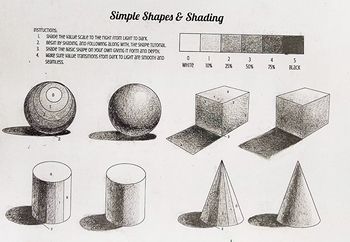
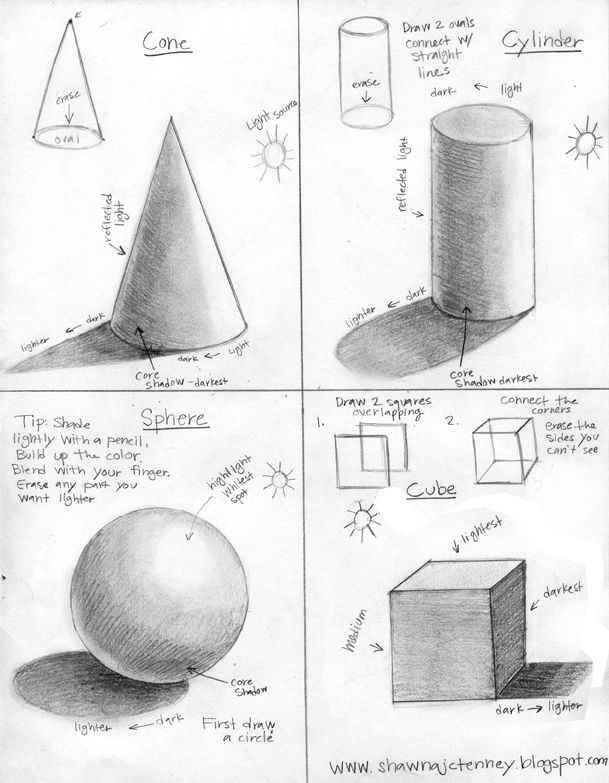
• Practice 3D shapes like cubes, cylinders, and spheres
• Break everyday objects into simple shapes
• Sketch basic structures before adding details
Even 10–15 minutes of daily shape practice can significantly improve drawing accuracy.
Learning the Right Way
Many beginners skip the fundamentals and try to copy complex images directly. While copying may look good temporarily, it does not build real drawing skills.
At Ankona School of Art, students learn step-by-step drawing techniques that strengthen fundamentals like shapes, line control, and observation skills.
This structured approach helps students develop confidence and long-term artistic ability.
Final Thought
Every masterpiece begins with simple shapes. When beginners learn to understand structure first, complex drawings become much easier to create.
Master the basics, and the details will naturally follow.