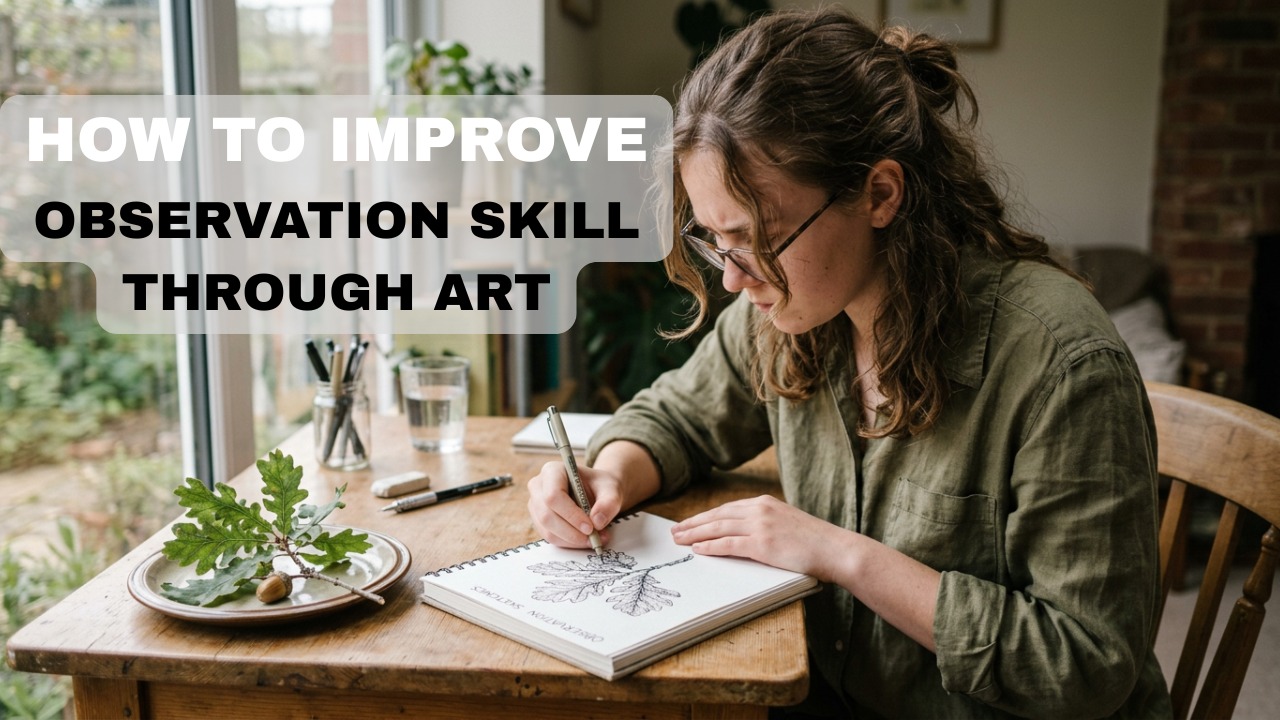
Observation is one of the most important skills every artist must develop. Before creating great artwork, an artist must first learn to see carefully and understand details. Strong observation skills help artists draw accurately, understand proportions, and create realistic as well as imaginative art.
If you want to improve your drawing, the first step is improving your observation. This guide explains how to improve observation skills through drawing practice in simple and effective ways.
Why Observation Skills Are Important in Drawing
Drawing is not just about moving your hand — it is about training your eyes and brain. Good observation helps artists:
- Notice details and textures
- Understand shapes and proportions
- Capture light and shadow
- Improve memory and focu
- Draw realistically and creatively
Every professional artist spends time developing observation before mastering advanced techniques.
Start with Simple Everyday Objects
The best way to improve observation is by drawing simple objects around you.
Practice drawing:
- A cup or bottle
- Fruits and vegetables
- Books or bag
- Shoes or toys
- Plants and leaves
Look carefully at shapes, edges, and shadows. Try to draw exactly what you see, not what you imagine.
Focus on Shapes and Structure
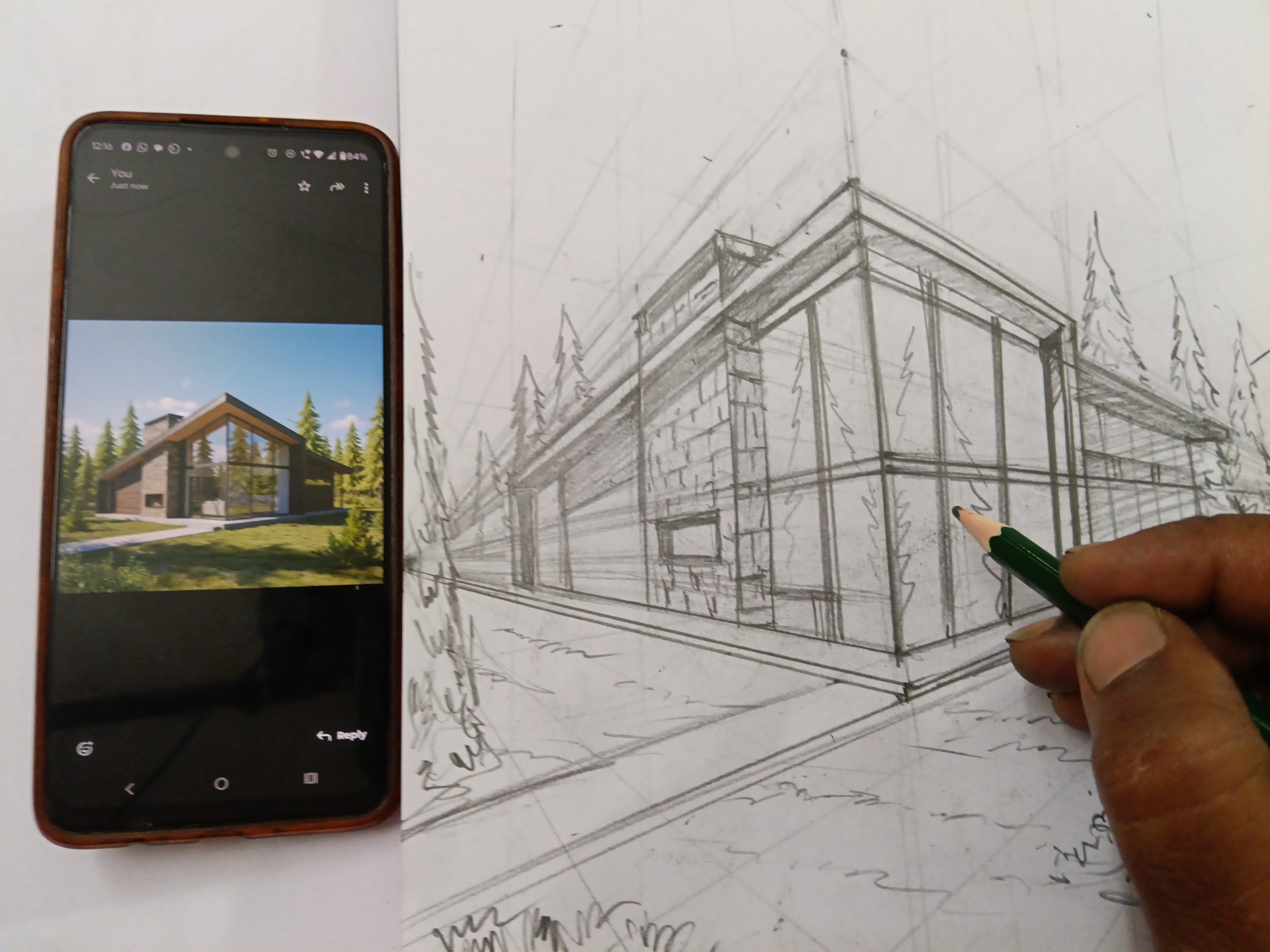
Everything around us is made of basic shapes like circles, squares, and cylinders. When you observe an object, break it into simple shapes first.
For example:
- A face can be seen as oval and circles
- A house can be made from squares and triangles
- A bottle can be drawn using cylinders
- Understanding shapes improves accuracy and confidence.
- Practice Light and Shadow Observation
- Light and shadow make drawings look realistic. Observe where light falls on an object and where shadows appear.
Practice by:
- Placing an object near a window or lamp
- Observing bright and dark areas
- Shading slowly with pencil
- This helps create depth and realism in your drawings.
- Do Slow and Careful Drawing
- Many beginners draw too fast. Slow drawing improves observation.
Take time to
- Observe first
- Sketch lightly
- Check proportions
- Correct mistakes
- Slow practice trains your brain to notice details.
- Try Blind Contour Drawing
Blind contour drawing is a fun exercise to improve observation. In this exercise:
Look only at the object
- Do not look at your paper
- Draw slowly with continuous lines
- This improves hand-eye coordination and focus.
Draw Daily for Better Results
Consistency is the key to improvement. Even 20–30 minutes of daily drawing practice can improve observation quickly.
Daily practice ideas:
- Sketch objects at home
- Draw people or surroundings
- Practice shading
- Observe textures and patterns
- Regular practice sharpens both eyes and hands.
- Benefits of Improving Observation Skills
Strong observation helps in many areas:
- Better drawing accuracy
- Improved concentration
- Strong imagination
- Confidence in art
- Faster learning of advanced skills
- Observation is the foundation of all great artwork.
How Ankona School of Art Helps Students Improve Observation
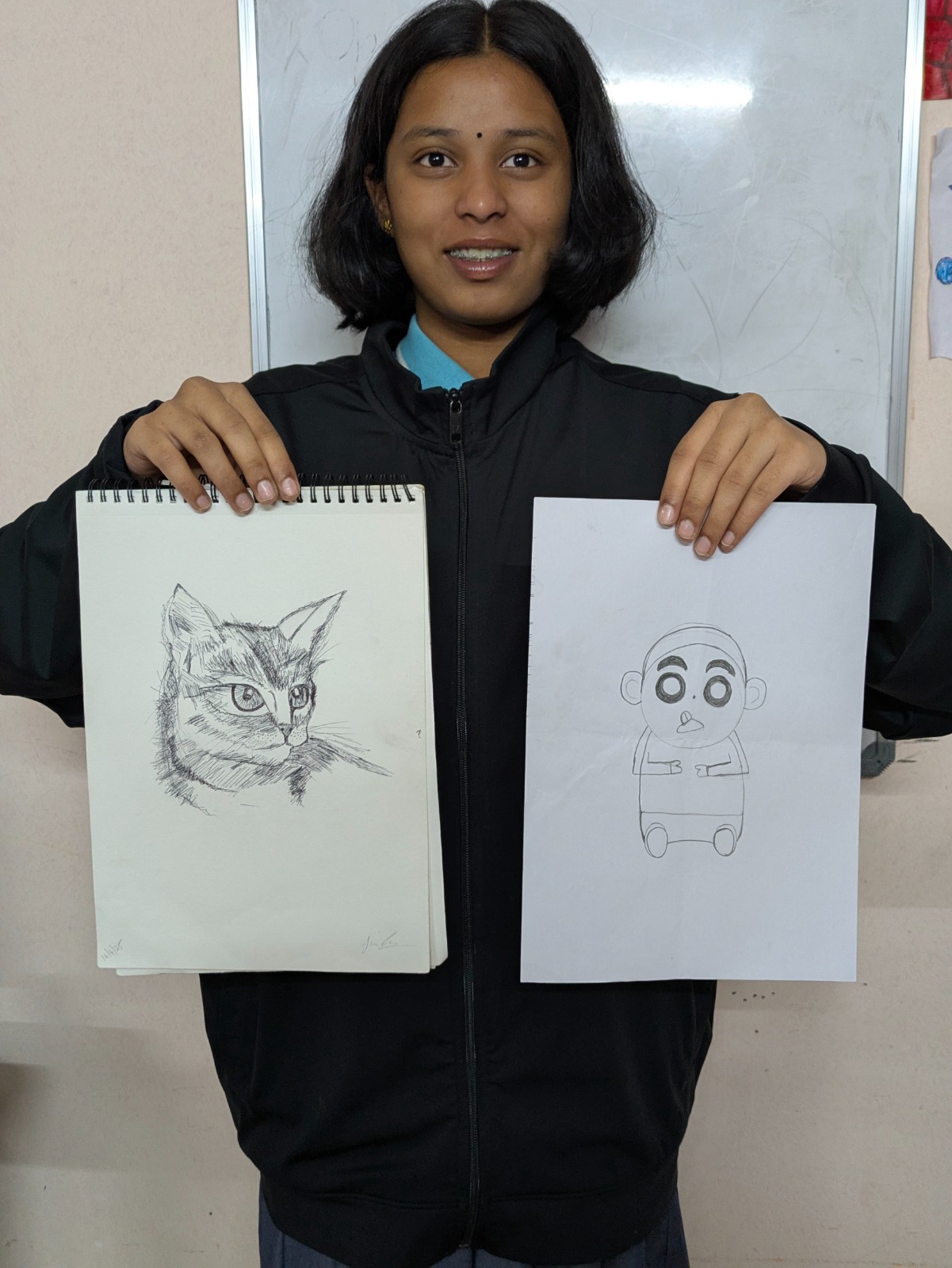
At Ankona School of Art, students are trained to observe before drawing. With structured exercises, live guidance, and personal feedback, students develop strong observation and drawing skills step by step.
Classes focus on:
- Basic drawing fundamentals
- Real-life observation practice
- Creative and realistic drawing
- Confidence buildng through art
- With the right guidance, anyone can improve observation and drawing skills.
Final Thoughts
Improving observation skills through drawing is a powerful way to grow as an artist. Start with simple objects, draw regularly, and practice patiently. Over time, your ability to see and draw will improve naturally.
Remember, great artists are not born — they are trained through careful observation and consistent practice.
Start Learning with Ankona School of Art Today
At Ankona School of Art, we provide:
Live Online Art Classes
Step-by-Step Drawing Training
Digital Art & Animation Learning
Personalized Mentorship for Students
Join one of the best online art classes in India and start your creative journey today.
Enroll now or book a demo class with Ankona School of Art.
https://docs.google.com/forms/d/1wMxiB9J68iqInDYvIhlapMrZAnDJgwgYBxJvnldmEp8/viewform
Ready to Improve Your Drawing Skills?
Join Ankona School of Art and learn drawing, painting, digital art, animation, and creative skills through our step-by-step training programs.
🎨 Online & Offline Classes Available
👨🏫 Expert Mentorship
📈 Beginner to Advanced Learning Path
📩Book Your Free Demo Class Today!
Contact us {click link to join}
https://wa.me/9 18861505200?text=Hello%20Ankona%20School%20of%20Art,%20I%20want%20to%20know%20more%20about%20your%20art%20courses.
STAY TUNED FOR UPCOMING UPDATES IN
https://www.ankona.in/