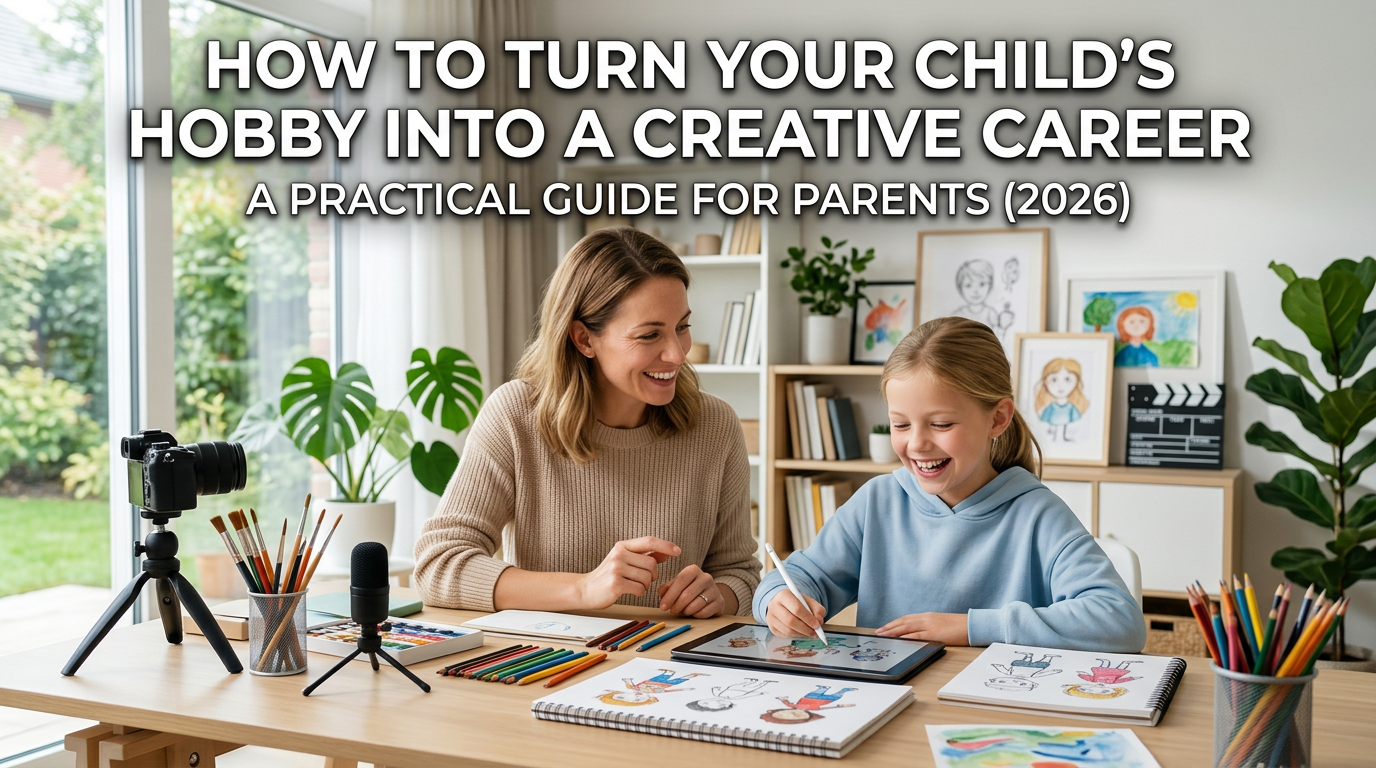
Every child has a hobby they love — drawing, painting, music, crafting, storytelling, or designing. For parents, these interests may seem like simple time-pass activities. However, in today’s creative world, hobbies can grow into successful and rewarding careers.
If your child loves art or creative activities, this guide will help you understand how to turn your child’s hobby into a creative career in a practical and supportive way.
Why Creative Careers Are Growing Fast
In the digital and creative economy, creative skills are highly valued. Careers in art and design are no longer limited. Today, creative professionals work in:
- Animation and gaming
- Graphic and digital design
- Fashion and illustration
- Architecture and interior design
- Film and media
- Fine arts and teaching
A hobby developed early can become a strong professional skill in the future.
Step 1: Identify Your Child’s Real Interest
Every child is unique. Observe what your child enjoys naturally.
Ask yourself:
- Do they draw or create daily?
- Do they enjoy colors and designs?
- Do they show patience in creative work?
- Do they feel happy while creating?
If a child consistently enjoys creative activities, it may be more than just a hobby.
Step 2: Encourage Without Pressure
Support your child’s interest but avoid forcing them. Creativity grows in a positive and relaxed environment.
Encourage by:
- Appreciating their work
- Displaying their artwork
- Providing art materials
- Giving time for practice
Confidence is the foundation of a creative career.
Step 3: Provide Proper Training and Guidance
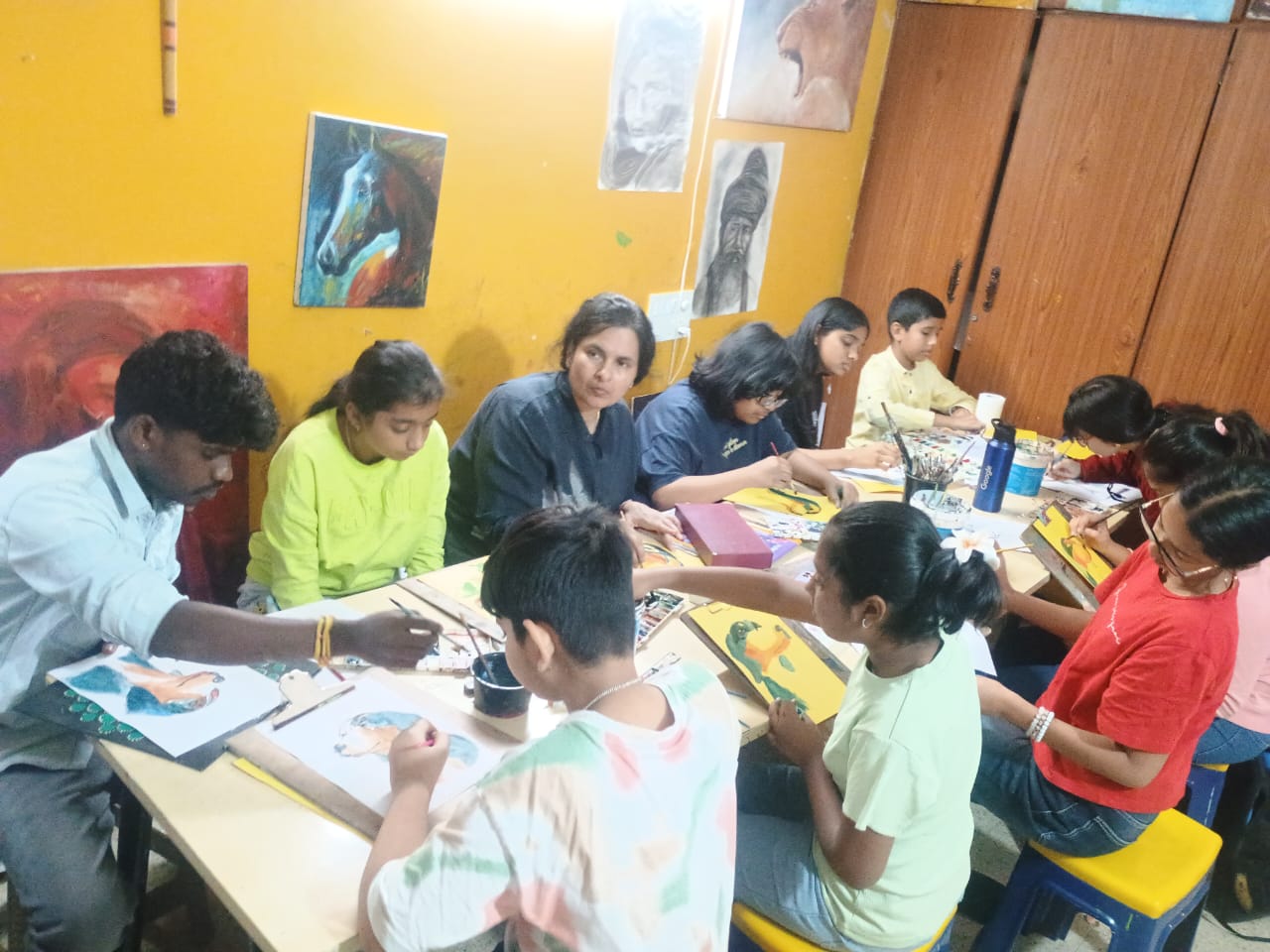
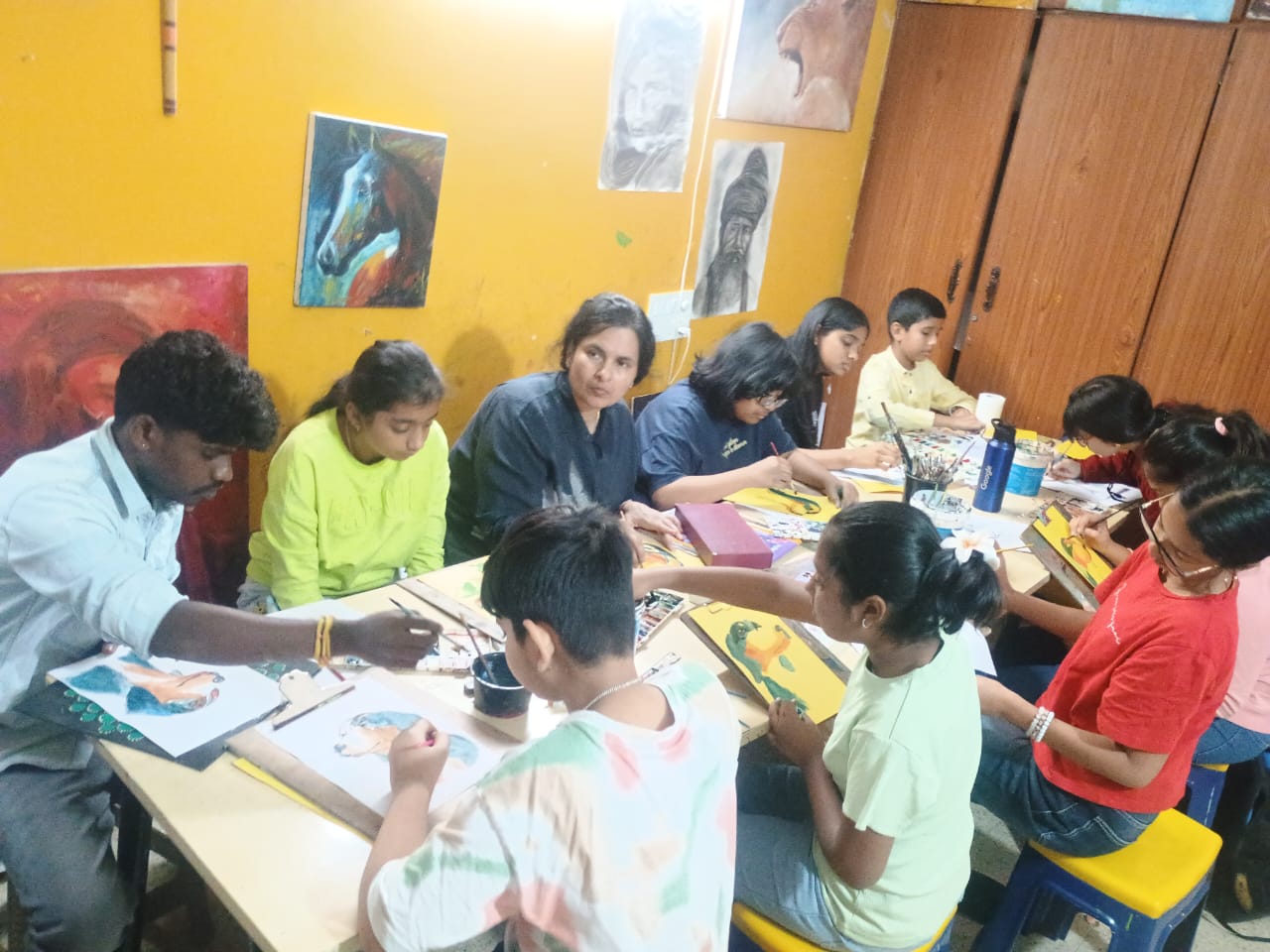
Raw talent needs proper direction. Joining structured classes helps children learn correctly from the beginning.
Professional guidance helps them:
- Learn fundamentals
- Improve faster
- Build discipline
- Understand different art forms
- Prepare for future opportunities
Learning from experienced mentors makes a big difference.
Step 4: Build Skills Step by Step
- A creative career requires strong skills. Focus on:
- Drawing fundamentals
- Observation and imagination
- Color and composition
- Creative thinking
Digital skills (for older students)
Gradual learning builds confidence and professional ability.
Step 5: Expose Them to Creative Opportunities
Give children opportunities to explore creativity:
- Art competitions
- Workshops
- Exhibitions
- Portfolio building
- Online creative platforms
Exposure helps them understand real-world creative fields.
Step 6: Teach Consistency and Patience
Creative success does not happen overnight. Encourage regular practice and patience.
Even 30–60 minutes of daily creative work helps:
Improve skills
Build discipline
Develop professional habits
Consistency is more important than talent alone.
Step 7: Understand Future Career Options
Creative careers today include:
- Animator
- Illustrator
- Game designer
- Graphic designer
- Fine artist
- Art educator
Digital content creator
Early skill development opens many career paths.
Role of Art Schools in Career Development
A structured art school helps children:
- Learn systematically
- Build strong portfolios
- Gain confidence
- Explore career options
- Prepare for professional courses
With proper mentorship, hobbies can transform into serious skills.
Final Thoughts
Every successful creative professional once started as a child with a simple hobby. With encouragement, proper guidance, and consistent practice, a hobby can become a fulfilling career.
Support your child’s creativity, provide the right learning environment, and allow their passion to grow. Turning a hobby into a creative career is a journey — and with the right direction, it can lead to a bright and meaningful future.
Ready to Take Your Art Skills to the Next Level?
Whether
you are a beginner or an aspiring artist, Ankona School of Art offers
professional training in drawing, painting, digital art, animation, and
creative design.
✅ Live Online Classes
✅ Personalized Guidance
✅ Structured Learning Programs
✅ Beginner-Friendly Approach
Join
Ankona School of Art today and start your creative journey.
Book a
Free Demo Class Now! Click link below to join.
https://docs.google.com/forms/d/1wMxiB9J68iqInDYvIhlapMrZAnDJgwgYBxJvnldmEp8/viewform
Contact us. Click link below to
contact https://wa.me/918861505200?text=Hello%20Ankona%20School%20of%20Art,%20I%20want%20to%20know%20more%20about%20your%20art%20courses.
For more information about course: click link below
to know more of our course
https://ankona.in/